


What Are General Contractors And What Do They Actually Do?
May 8, 2026
Home Painting Color Ideas to Refresh Your Shreveport Home
July 8, 2026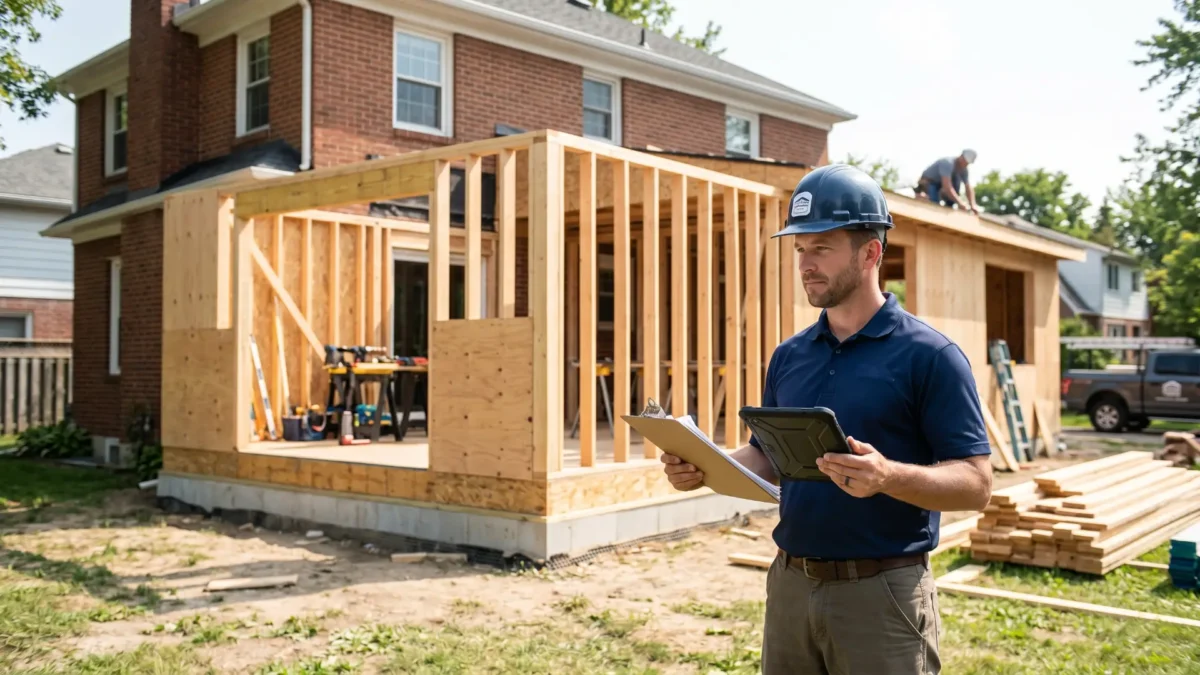
Best Contractor for Home Addition Projects: How to Find One
Your Guide to Hiring a Trusted Local Roofing Professional
When you start planning a home addition, it usually begins with a simple idea of having more space. However, as the process moves into planning, it often becomes more complex than it first appears. That is not meant to discourage you. Instead, it helps set realistic expectations from the beginning.
A home addition affects more than just square footage. It influences structural stability, utility systems, and long-term functionality. Because of that, choosing the right contractor becomes a decision that shapes the entire outcome.
In this guide, we’ll look at how to evaluate that decision using a simple framework based on how well a contractor handles structure, planning alignment, and project coordination from start to finish.
What “Best Contractor” Really Means in a Home Addition Project
Before comparing contractors, it is important to define what “best” actually means in this context. This becomes the reference point for every decision that follows. The best contractor for a home addition is not defined by price alone or general construction experience. Instead, it depends on how consistently they handle three core responsibilities.
The first is structural integration. A home addition must connect safely and effectively to an existing structure. This requires understanding how older and newer materials interact and how loads are transferred across spaces.
The second is alignment between planning and execution. A well-planned design only works if it translates accurately into construction. When there is a gap between the two, adjustments become more frequent, and outcomes become less predictable.
The third is coordinated project management. This includes coordinating different trades, ensuring the work is completed in the right order, and keeping clear communication so the project stays organized from start to finish.
Once you understand this definition, everything that follows becomes a way to assess how well a contractor meets these three expectations.
Understanding the Construction Scope Through the Lens of Integration
A home addition is best understood as a connected system rather than a set of separate tasks. This is where structural integration, the first part of the framework, becomes clear in practice. The process starts with site preparation and foundation work, where soil conditions and load requirements are carefully considered. From there, framing ties the new structure into the existing home, and this becomes one of the most important points in the entire build.
Mechanical systems, such as electrical, plumbing, and HVAC, are then extended into the new space and need to work together rather than separate installations. Finally, finishing work brings everything together, so the addition feels like a natural extension of the home.
At this stage, the quality of work becomes clear in how smoothly each part connects without weak points or inconsistencies.
Planning and Design as the Bridge Between Ideas and Execution
Planning directly reflects the second part of the framework: alignment between design and execution. This is where the space’s function is defined. A design needs to work in everyday use, not just look good on paper. How you move between spaces, how natural light comes in, and how the layout fits your daily routine all affect how practical the addition will be.
At the same time, structural feasibility is reviewed. Not every idea can be built exactly as imagined, especially when it has to connect to an existing structure. The adjustments made at this stage help prevent major changes once construction is already underway.
Visual integration is also considered to ensure rooflines, materials, and interior transitions feel consistent with the rest of the home. When planning is done well, it helps reduce issues during construction and keeps the final result aligned with the original plan.
Experience as the Foundation for Structural Decision-Making
Experience matters because it directly influences how structural challenges are handled, which ties back to the first part of the framework. When connecting new construction to older homes, variations in settling, materials, and past modifications are common. These must be evaluated before work progresses.
Experienced contractors also understand how to sequence work between trades so that one phase does not disrupt another. This is especially important in additions where electrical, plumbing, and framing often overlap.
A well-executed project does not reveal where old construction ends and new construction begins. That level of integration is usually the result of experience with similar projects.
Local Conditions and Their Impact on Structural and Planning Decisions
Local environment plays a direct role in both structural integration and planning alignment. Soil behavior, moisture levels, and seasonal weather patterns influence foundation design and material selection. If these factors are overlooked, they can affect long-term stability.
Building codes also shape how designs are approved and executed. These requirements ensure safety but also influence how quickly a project moves through permitting and inspection stages. Contractors familiar with local conditions are generally better at making early decisions that prevent issues during construction.
Communication as a Measure of Project Coordination
Communication is the most visible part of project coordination, which is the third component of the framework. At the start of the project, it is important to agree on how updates will be shared and who will handle communication. This helps keep everything clear and organized throughout the process.
As the work moves forward, you should have a clear understanding of each phase without needing to ask for updates. This usually reflects how well the project is being managed behind the scenes. When unexpected issues arise, there should be a clear decision-making process rather than handling things on the spot without a plan. Good coordination shows in how organized and predictable the project feels, even when challenges arise.
Cost as a Reflection of Scope Clarity, Not Just Price
Cost evaluation connects to all three parts of the framework because it reflects how clearly the project is defined. A proper estimate should break down labor, materials, permits, and specialized work. This level of detail shows how well the scope is understood. Lower estimates are not always better, especially if they omit important components of the work. Missing scope often leads to adjustments later, which affects both timing and execution. The key is not the final number, but how clearly that number reflects the actual work required.
Red Flags That Indicate Weak Alignment With the Framework
Warning signs usually show up when one or more parts of the framework are missing. A lack of written agreements can point to weak structure. Limited project history may suggest less experience with integration work. Poor handling of changes often reflects weak coordination. These issues do not always mean a project will fail, but they can point to gaps in how well the contractor manages structure, planning, or execution.
Comparing Contractors Through the Three-Part Framework
Once you have multiple options, the comparison becomes more structured when viewed through the framework. Instead of focusing only on price, evaluate how each contractor handles structural integration, planning alignment, and coordination. A detailed proposal often reflects stronger planning ability. Clear communication reflects stronger coordination. Relevant experience reflects stronger structural capability. When reviewed side by side, these differences become easier to identify.
Questions That Reveal Real Alignment With the Framework
Questions should focus on real project situations rather than general capabilities.
- How do they handle unexpected structural issues?
- How do they coordinate multiple trades?
- How do they ensure the design matches what is actually built?
These questions help show how closely their approach aligns with the three core responsibilities.
Timeline Expectations and Project Flexibility
Timeline management reflects coordination and planning alignment, working together. Each stage depends on the completion of the previous one, which naturally creates variability. External factors such as weather, inspections, and material availability also influence timing. Flexibility is not a weakness in the process. It is a reflection of how real construction projects function.
Why Experience Often Outweighs Cost in Final Results
Experience ties directly back to structural integration and coordination. More experienced contractors are better at anticipating issues, managing sequencing, and maintaining consistency throughout the project. While lower-cost options may still complete the work, they often require more adjustments, which can affect overall efficiency and outcomes.
Making a Clear and Informed Decision
Choosing the right contractor becomes easier when every step is evaluated through a single framework: structural integration, planning alignment, and coordinated execution.
When you use this structure, the decision is no longer based on scattered comparisons. Instead, it becomes a clear evaluation of how well each contractor can deliver a complete, connected result. A well-executed home addition is not just about adding space. It is about ensuring that every part of the project works together as one continuous system that performs well long after completion.
If you are ready to move forward with a home addition or new build, Sunbelt Contractors offers complete construction services for homes and businesses in Shreveport, LA. You can call (318) 330-2774 to schedule a free estimate and discuss your project in detail.
If you’re ready to start your project or want expert guidance, contact Sunbelt Contractors at (318) 667-1182 to discuss your needs and get a professional consultation.